Gallery
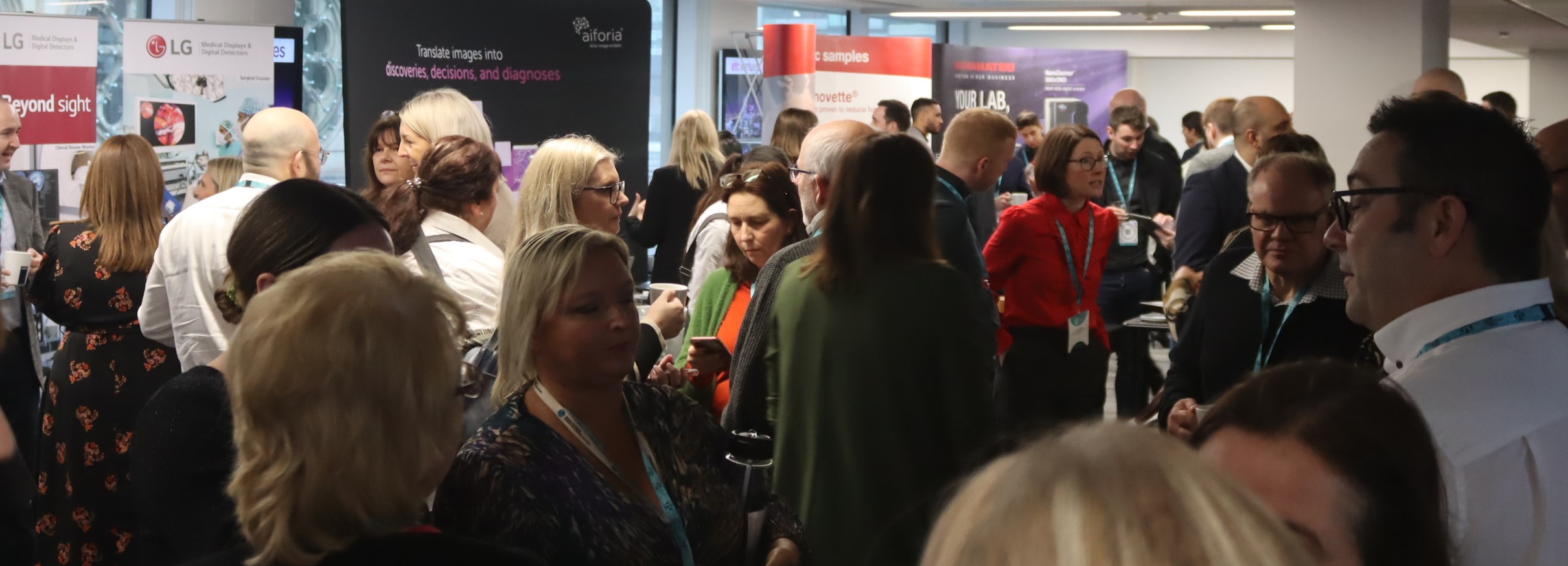
 Radvision Conference Gallery
All Convenzis Events Provide 8 CPD Points Per Delegate
Take part in our conference prize draw by visiting all stands and scanning your lanyard at each for a chance to win £100 voucher.
Join HESUK Today
Join a growing community of NHS professionals. Connect with peers, share insights, submit your questions in advance, and help shape the future of NHS Radiology Services through meaningful discussion and collaboration.
https://www.healthcareengagementsociety.org.uk/






Diagnostic imaging sits at the centre of modern healthcare delivery, supporting urgent care, cancer pathways, elective recovery and early detection. As demand continues to rise across CT, MRI, ultrasound and specialist imaging, NHS services are under increasing pressure to deliver faster, more efficient and more sustainable diagnostics.
RadVision 2026 takes place at a pivotal moment as NHS imaging moves from strategy into delivery. National programmes including imaging networks and Community Diagnostic Centres are reshaping how services operate, while advances in artificial intelligence, cloud infrastructure and digital platforms are creating new opportunities to redesign workflows and improve performance.
This conference is designed to focus on how transformation is being delivered in practice. Bringing together national leaders, clinicians, operational managers and digital specialists, RadVision provides a clear view of how policy, innovation and frontline delivery are coming together to reshape imaging services across the NHS.
What the Day Covers:
Timeliness of the Event:
Demand for diagnostic imaging continues to grow rapidly, with increasing backlogs and pressure across services. Imaging teams are being asked to support faster diagnosis, elective recovery and earlier detection across multiple pathways.
At the same time, imaging networks and CDC programmes are changing how services are structured, while digital innovation is transforming how imaging is delivered. Many organisations are now moving beyond planning into implementation, creating a need for practical insight into what works in real operational environments.
RadVision 2026 provides a timely opportunity for NHS teams to explore how these changes are being delivered on the ground and what this means for services today.
Key Challenges Facing NHS Imaging Services
Key Learning Outcomes:
Delegates will gain practical insight into:
Why Attend:
RadVision 2026 is built for those delivering change across imaging services.
We have an invite only option for NHS Senior Managers for our conference, to see if you qualify for a complimentary place please click the button below.

Barnsley Hospital NHS Foundation Trust
Read biography



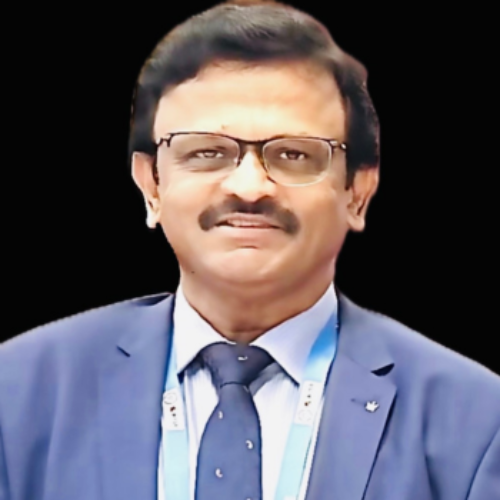
Collaboration of Acute Providers, Humber & North Yorkshire
Read biography


Mid and South Essex NHS Foundation Trust
Read biography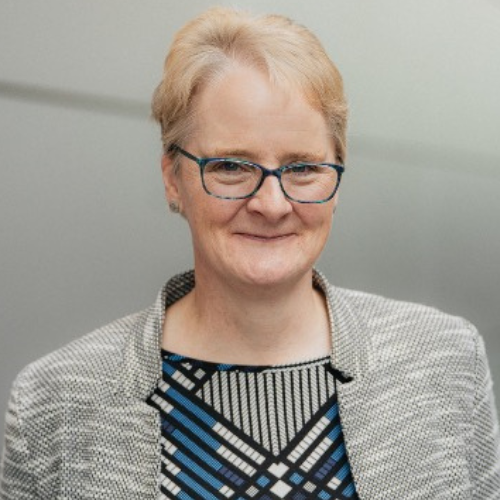
Registration & Networking
Registration - Open from 8:20 am - Closes at 11:00 am
All delegates must complete their registration process before the 11:00 AM cut-off time. Please arrive in a timely manner to allow for registration and to avoid any inconvenience. Delegates who arrive after the registration deadline will be refused entry to the event.
We appreciate your cooperation in helping us maintain the event's schedule and ensuring that everyone can fully participate in the conference. If you have any questions or require assistance, our event staff will be available to assist you with the registration process.
Thank you for your understanding, and we look forward to an insightful and productive event together!
Keynote Presentation - Unlocking Imaging Capacity: Workforce Transformation, Skill Mix and Professional Leadership at Scale
Session Overview:
As imaging demand continues to rise, NHS services must expand capacity while maintaining safety, quality and public confidence. This keynote will explore how professional leadership, national guidance and effective skill mix can support sustainable workforce transformation across radiology and radiography services.
Key themes / delegate outcomes:
Morning Skill Clinic - Digital Imaging in Practice: AI, Cloud and Teleradiology as Enablers of Service Transformation
Session Overview:
AI, cloud-based imaging platforms and teleradiology are becoming central to how imaging services manage demand, reporting capacity and operational resilience. This panel will explore how NHS teams can approach digital adoption in a safe, practical and clinically governed way, with a focus on implementation, infrastructure, workforce impact and operational readiness.
Key themes / delegate outcomes:
Headline Sponsor - Scaling the network: how national teleradiology partnerships are solving the clinical capacity crisis
Headline Sponsor - Everlight Radiology
Scaling the network: how national teleradiology partnerships are solving the clinical capacity crisis
NHS England’s vision for regional reporting networks has laid the groundwork for modern diagnostic delivery. But as capacity pressures mount, can we take this framework a step further?
Drawing on the success of national lung cancer screening, this session explores how moving to a national collaborative model can revolutionise complex cardiac and prostate pathways. Discover how two leading teleradiology providers are combining their complementary strengths to support overstretched NHS departments. Rather than competing, this presentation demonstrates how strategic partnership creates a seamless, resilient extension of the NHS workforce, backed by an efficient, integrated workflow.
Morning Break & Networking
Got a great question? Ask it during the session for a chance to win a voucher for the best audience question.
Case Study - The Data Problem Isn’t Coming, It’s Already Here: Who’s Really in Control?
Case Study - Bridgehead Software
Healthcare organisations are facing an unprecedented explosion of data across radiology, cardiology, pathology, and beyond. While imaging volumes continue to rise, so too does the complexity of managing, accessing, and governing that data across fragmented systems.
In many cases, organisations believe they are managing their data. The reality is often the opposite.
Legacy systems, siloed archives, and vendor-specific platforms are quietly dictating how data is stored, accessed, and retained. This creates hidden risks around cost, clinical accessibility, governance, and long-term sustainability, particularly as digital transformation programmes and enterprise imaging strategies accelerate.
This session explores the growing challenge of data ownership and control in modern healthcare environments. It will highlight how organisations can move from reactive data management to a proactive, strategic approach, where data is no longer tied to applications but becomes a flexible, accessible, and governed asset.
Attendees will gain insight into:
Ultimately, this session challenges a simple but critical question:
Are you managing your data… or is your data managing you?
Leadership Interview Session - Delivering Imaging Transformation at System Level: Aligning Trusts, Networks and Priorities
Session Overview:
This fireside interview will explore how imaging transformation can be delivered across a wider system, drawing on practical experience of network-level delivery. The discussion will focus on how trusts and partners can move from fragmented local delivery towards coordinated system working, while balancing demand, workforce, digital priorities, reporting capacity and patient access.
Key themes / delegate outcomes:
NHS Deep Dive - Community Diagnostic Centres in Practice: Lessons on Capacity, Integration and Sustainable Delivery
Session Overview:
Community Diagnostic Centres are reshaping how diagnostic services are delivered, but successful implementation depends on more than additional estate and equipment. This session will share practical learning from CDC delivery, including how to maximise assets, integrate CDCs into existing pathways, support workforce planning and ensure expanded capacity translates into better access, faster diagnosis and improved patient flow.
Key themes / delegate outcomes:
Lunch & Networking
Got a great question? Ask it during the session for a chance to win a voucher for the best audience question.
Presentation - AI in NHS Imaging: From Pilot to Scaled, Safe Deployment
Session Overview:
AI is moving from isolated pilots into live NHS imaging environments, but safe and effective deployment requires more than technical implementation. This session will bring together operational and regulatory perspectives to explore how AI can be scaled responsibly across imaging services. Delegates will hear what is needed to align clinical workflow, governance, safety, regulation and workforce confidence when moving from testing to real-world delivery.
Key themes / delegate outcomes:
Afternoon Skill Clinic - From Strategy to Reality: Delivering Imaging Transformation Across Systems
Session Overview:
As NHS imaging moves from strategic ambition into practical delivery, leaders must balance rising demand, workforce pressures, CDC expansion, reporting capacity, digital innovation and network collaboration. This skill clinic will bring together senior NHS voices to explore what imaging transformation looks like in real operational settings, with a focus on practical lessons, barriers and delivery approaches.
Key themes / delegate outcomes:
Tea, Coffee & Networking
Got a great question? Ask it during the session for a chance to win a voucher for the best audience question.
End of Day
Every attendee makes a difference. We’ll donate one tree for every delegate attending the conference to our partners over at Play it Green and £1 to our Charity of the Year, Stockport Without Abuse.
Radvision Conference Gallery