PatientPath 2026: Optimising NHS Pathways to Improve Patient Flow
Book tickets
PatientPath 2026: Optimising NHS Pathways to Improve Patient Flow
A Strategic Summit on Optimising Patient Flow and System Coordination Across the NHS - All Convenzis Events Provide 8 CPD Points Per Delegate.
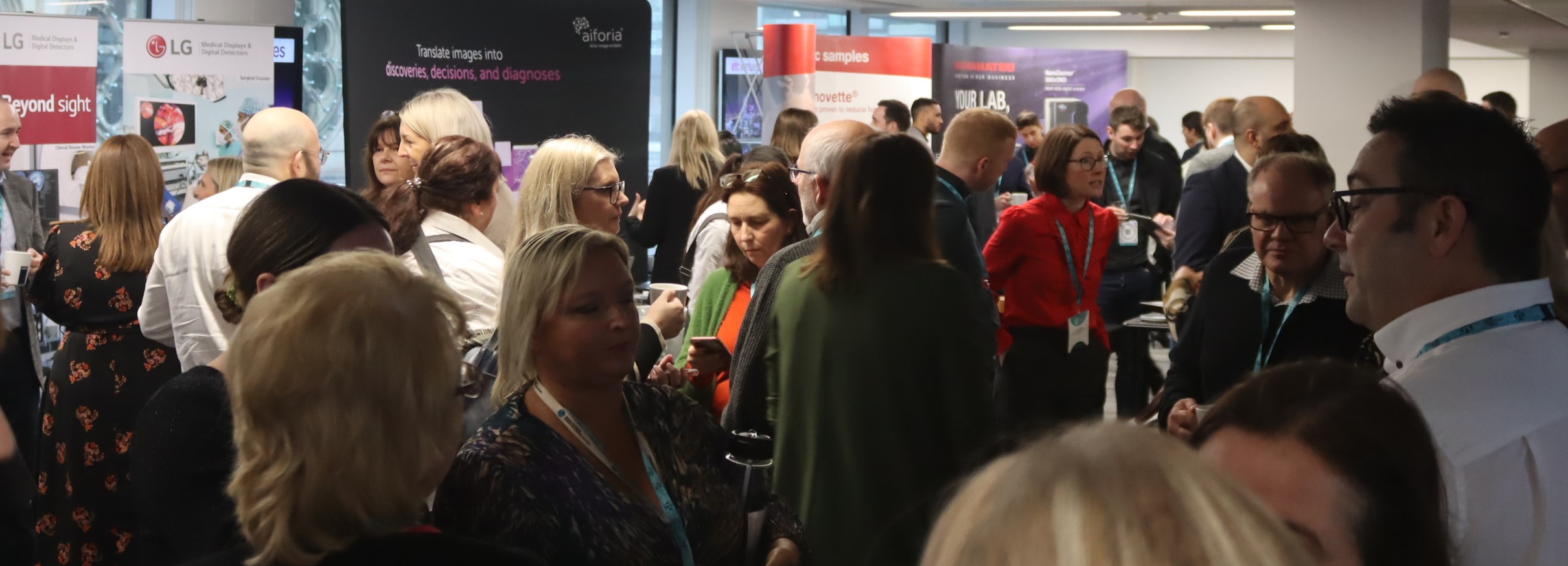
Take part in our conference prize draw by visiting all stands and scanning your lanyard at each for a chance to win £100 voucher.
Sponsors & Partners



Current Landscape and Challenges
Patient flow is the central challenge and opportunity in modern NHS operations. From the “front door” of emergency departments to the “back door” of discharge and community care, every handover and pathway transition impacts both operational performance and patient experience.
The NHS remains under sustained pressure to improve flow across urgent and emergency care pathways. Rising demand, bed constraints, delayed discharges, workforce pressures, and variation in access to community services continue to challenge system performance.
National priorities around urgent and emergency care recovery and neighbourhood health services all point towards reducing avoidable admissions, accelerating safe discharge, and strengthening community-based alternatives to hospital care. Achieving this requires not only pathway redesign, but also stronger operational capability, system-wide collaboration, and the effective use of technology, data, and digital tools to support real-time decision-making.
Summit Focus
PatientPath focuses on improving patient flow across the whole system, helping delegates build practical skills in pathway redesign, demand management, discharge optimisation, and operational decision-making.
Through interactive Skill Clinics and Lessons Learned Sessions, participants will explore how to successfully implement SDEC, virtual wards, SAFER principles, and Discharge to Assess models in real-world settings.
The summit will also examine how technology can enable better flow through digital bed management, predictive analytics, patient tracking, interoperability, and AI-supported operational planning.
Focused on practical delivery rather than policy alone, PatientPath brings together frontline clinicians, operational leaders, community providers, and digital innovators to share proven approaches for reducing bottlenecks, improving coordination, and delivering better patient outcomes.
This year’s event is structured around clear outcomes. Delegates will leave understanding:
- Admission avoidance: Implementing SDEC, virtual wards, and urgent community response services to reduce unnecessary admissions and support care closer to home.
- SAFER inpatient flow: Applying SAFER principles to improve flow, reduce delays, and enable timely discharge.
- Discharge and transfer: Embedding Discharge to Assess and multi-agency discharge models to reduce delays and improve system flow.
- Emergency department flow: Enhancing streaming, triage, and rapid decision-making through senior-led clinical models.
- Integrated care pathways: Developing joined-up pathways across acute, community, primary, and social care services.
- Capacity and flow management: Using data-driven approaches to manage capacity, escalation, and bed flow effectively.
- Digital innovation: Leveraging digital tools, shared records, real-time data, and virtual care to improve coordination and decision-making.
Why Attend
- Earn 8 CPD Points
- Build practical skills to improve patient flow across urgent and emergency care pathways.
- Gain actionable tools for discharge planning, admission avoidance, and capacity management.
- Learn directly from operational leaders delivering system-wide flow improvement.
- Understand how to implement integrated working across acute, community, and social care partners.
- Leave with usable frameworks, checklists, and improvement plans for immediate application.
Who Would Benefit
This summit is ideal for urgent and emergency care leaders, acute trust executives, operational managers, clinicians, flow coordinators, discharge teams, and community care leaders responsible for improving patient pathways and reducing delays. It will also benefit primary care professionals, social care leaders, and system integration teams seeking practical methods to improve cross-sector coordination and reduce avoidable hospital admissions. Suppliers and partners supporting urgent care, digital flow systems, diagnostics, and community care services will gain clear insight into the operational priorities shaping NHS transformation over the next decade.
Relevance for Sponsors
This summit provides a highly targeted platform for suppliers, technology providers, and partners supporting patient flow, operational performance, and pathway transformation across the NHS. Sponsors will be well positioned to demonstrate how their solutions enable:
- Digital patient flow, bed management, and capacity optimisation platforms
- Real-time operational command centres, patient tracking, and visibility tools
- Predictive analytics, demand forecasting, and AI-supported decision-making solutions
- Shared care records, interoperability, and integrated care coordination systems
- Virtual wards, remote monitoring, and hospital-at-home technologies
- Discharge planning, transfer of care, and Discharge to Assess support platforms
- Workforce management, e-rostering, staffing optimisation, and productivity solutions
- Clinical decision support, triage, streaming, and SDEC-enabling technologies
- Community care coordination, referral management, and neighbourhood health service platforms
- Automation tools that reduce administrative burden and streamline pathway management
- Population health analytics, risk stratification, and flow intelligence solutions
- Learning, simulation, and workforce development platforms that support operational improvement and pathway redesign
- Infrastructure, communications, and digital transformation services that enable integrated care delivery across organisations
Through speaking opportunities, exhibitions, demonstrations, and interactive sessions, partners will be able to align their solutions directly to NHS priorities around urgent and emergency care recovery, admission avoidance, discharge optimisation, and system-wide flow improvement. The event offers access to senior operational leaders, clinicians, discharge teams, community providers, digital transformation leads, and integrated care decision-makers responsible for implementing patient flow initiatives and pathway redesign programmes across acute, community, primary care, and social care settings.
Your Pass Includes....
- This conference is CPD accredited. Attendees will be eligible to gain 8 CPD points upon completion of the event.
- Access to a leading conference speaker programme
- Interactive Q&A sessions
- Leadership Lessons from the Front Line
- Cross-sector best practice
- Meet the supplier opportunities
- Hot breakfast & Lunch included
Tickets For NHS Senior Managers
We have an invite only option for NHS Senior Managers for our conference, to see if you qualify for a complimentary place please click the button below.
Conference Speakers
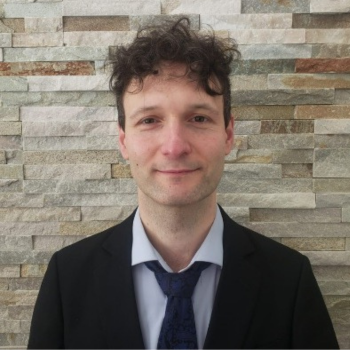

Dr Rachel
Sutherland
Clinical Director of Medicine and Interface Care
Kerry University Hospital
Read biography
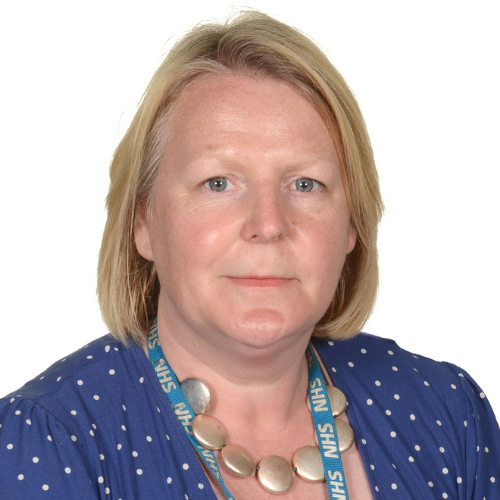
Helen
Rees
Director of Operations and Deputy Chief Operating Officer
Calderdale and Huddersfield NHS Trust
Read biography

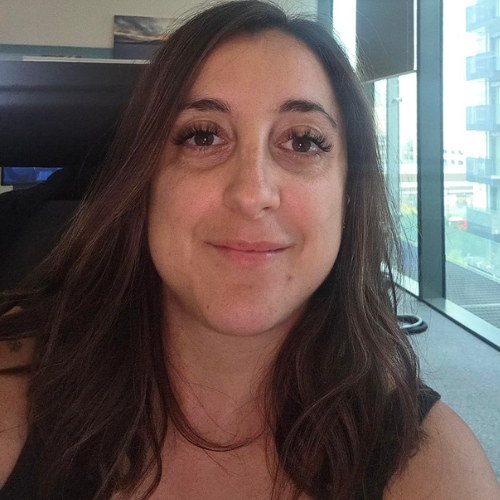
Leah
Sugarman
Emergency Medicine Consultant
Senior Clinical Decision Maker, South West London ICC
Read biography
Liz
Deutsch
Professor for Nursing Practice
Centre for Care Excellence, Coventry University and University Hospitals Coventry and Warwickshire NHS Trust
Read biography

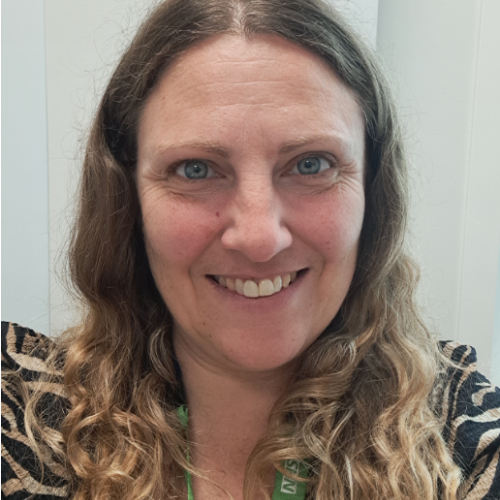
Rachel
Williams
Associate Chief Operating Officer
South Warwickshire University Foundation Trust
Read biography
Sarah
Williams
Associate Director for Emergency Preparedness, Resilience and Response (EPRR) and System Operations
Herefordshire & Worcestershire and Coventry & Warwickshire ICB Cluster
Read biography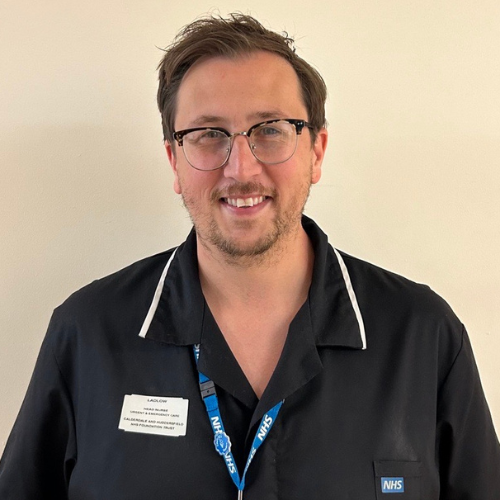
Tom
Ladlow
Head Nurse for Urgent and Emergency Care
Calderdale and Huddersfield NHS Trust
Read biographyThe programme
Registration & Networking
Registration - Open from 8:20 am - Closes at 11:00 am
All delegates must complete their registration process before the 11:00 AM cut-off time. Please arrive in a timely manner to allow for registration and to avoid any inconvenience. Delegates who arrive after the registration deadline will be refused entry to the event.
We appreciate your cooperation in helping us maintain the event's schedule and ensuring that everyone can fully participate in the conference. If you have any questions or require assistance, our event staff will be available to assist you with the registration process.
Thank you for your understanding, and we look forward to an insightful and productive event together!
Chair Opening Address
Take part in our conference prize draw by visiting all stands and scanning your lanyard at each for a chance to win £100 voucher. The draw will take place at the end of the final presentation.
Keynote Presentation - Admission Avoidance in Action: Keeping Patients Safe at Home
Session Overview:
Bolton's Admission Avoidance Team has developed an integrated, multidisciplinary approach to preventing unnecessary hospital admissions and ensuring patients receive the right care in the right place at the right time.
This presentation will explore how collaboration across community, primary care, acute services, NWAS and system partners has created a responsive model of care that supports patients to remain safely at home whenever appropriate. We will share the service's evolution, the key enablers for success, and the role of clinical leadership in driving innovation and service improvement.
Attendees will gain insight into how proactive assessment, rapid clinical decision-making, and coordinated multidisciplinary working can improve patient outcomes, enhance patient experience, and contribute to improved patient flow across the wider health and care system. The session will also highlight practical lessons learned, challenges overcome, and considerations for organisations seeking to implement or further develop admission avoidance services within their own systems.
Key Session Topics:
- Developing an Integrated Admission Avoidance Model - How Bolton brought together community, primary care, acute services, ambulance services and system partners to create a coordinated approach to admission avoidance and urgent care delivery.
- Delivering Safe, Timely Care at Home - How rapid clinical assessment, multidisciplinary decision-making and responsive intervention enable patients to remain safely at home, improving patient experience and reducing unnecessary hospital admissions.
- Lessons Learned and Impact on Patient Flow - Key outcomes, challenges, enablers and practical insights from implementing and sustaining an admission avoidance service, including the wider benefits for patient flow and system capacity.
Morning Skills Clinic - Capacity and Flow Management: Using Data-Driven Approaches to Manage Capacity, Escalation and Bed Flow
Session Overview:
This practical skills clinic explores how data can be used to improve patient flow, optimise capacity, and support timely operational decision-making. Attendees will learn how real-time data, predictive insights and effective escalation processes can help anticipate demand, improve bed utilisation, and reduce delays across the patient pathway.
Morning Break & Networking
Got a great question? Ask it during the session for a chance to win a voucher for the best audience question.
Case Study - What the NHS can learn from Norway about patient flow
Case Study - DNV Imatis
Session Overview:
What Norway’s approach can teach us about system-wide coordination.
Across the NHS, patient flow isn’t failing because hospitals aren’t working hard enough, but because demand and care pathways now operate system-wide, while operational flow is still often managed locally using fragmented processes and disconnected systems.
Leading healthcare systems such as Norway have taken a different approach. They do not treat patient flow purely as a hospital challenge, but as a real-time coordination challenge spanning the entire care pathway.
This session explores how DNV Imatis has helped operationalise that approach at scale connecting people, workflows and operational data to improve coordination, unlock capacity and support safer, more efficient care delivery.
Case Study - Sporicidal pre-cleaning plus UV-C Efficacy: A simulated-use study
Case Study - GAMA Healthcare
Session Overview:
Environmental contamination with healthcare-associated pathogens such as Clostridioides difficile spores presents a persistent challenge for healthcare facilities teams. Automated room decontamination technologies, including hydrogen peroxide vapor (HPV) can achieve high sporicidal efficacy, but are often limited by long cycle times and operational disruption. This study evaluated a pragmatic decontamination procedure, combining manual pre-cleaning using a sporicidal combined cleaning and disinfection product, based on peracetic acid (Clinell Enhanced Pods), followed by ultraviolet irradiation using a UV-C disinfection system (Clinell Enhanced UV-C Disinfector). A simulated-use efficacy model was designed to approximate a phase 3/field-trial style efficacy test, incorporating realistic contamination (clinical pathogens embedded in organic matter), manual cleaning, and subsequent automated disinfection. Findings highlight the critical role of each step in determining the overall efficacy of decontamination procedures. The study demonstrates that integrating sporicidal pre-cleaning with rapid UV-C treatment may provide a practical, time-efficient alternative for high-level environmental decontamination.
Leadership Interview Session - Leveraging Digital Tools, Shared Records, Real-Time Data and Virtual Care to Improve Coordination and Decision-Making
Session Overview:
This interview session will explore how digital innovation, from shared care records and real-time operational data to virtual care, is enabling better coordination, faster decision-making and more integrated care. Speakers will reflect on the leadership, culture and collaboration needed to embed digital change, overcome implementation challenges and deliver lasting improvements for patients, staff and system performance.
Case Study - AI guidance for DVT ultrasound
Case Study - Thinksono
Session Overview:
A&E and Acute Medical units are under increasing pressures with waiting times consistently being highlighted through the media. Many ultrasound departments are running at over 100% capacity slowing diagnosis for patients and potentially blocking beds. National guidelines, set by NICE for DVT ultrasound outlines that patients with a suspected DVT should be diagnosed within 4 hours, or 24h hours if covered by anticoagulation. In this presentation, we'll demonstrate this issues and highlight how ThinkSono can shorten the waiting time, reduce the burden on Emergency departments and free up capacity with ultrasound to better serve the demands within the hospital, whilst maintaining the highest clinical safety standards.
Lunch & Networking
Got a great question? Ask it during the session for a chance to win a voucher for the best audience question.
Case Study - Bedside to Discharge: Ireland’s First ED Point-of-Care Troponin Pathway
Case Study - QuidelOrtho
Session Overview:
Join Dr. Rachel Sutherland, Clinical Director of Medicine and Interface Care at Kerry University Hospital, as she shares the journey behind Ireland's first Emergency Department point-of-care troponin pathway. Discover the implementation process, user experience and key lessons learned and how the QUIDEL™ TRIAGETRUE™ High Sensitivity Troponin I Test can help streamline patient pathways, reduce delays and support improved operational performance.
Key Points:
- How to reduce pressure and enhance chest‑pain pathways.
- Improve cardiac patient flow.
- Strengthen service performance.
NHS Deep Dive - Home First Multidisciplinary Mode
Session Overview:
A 20-minute presentation session will showcase the journey of developing and delivering a high-quality, multidisciplinary “one team” approach focused on admission avoidance and effective hospital discharge support. It will highlight the key stages of service design, implementation, and continuous improvement, demonstrating how collaborative working across professional boundaries can enhance patient outcomes and system efficiency. The session will also explore challenges encountered, lessons learned, and measurable impacts, providing practical insights and examples. This presentation is intended to support and inspire others who are interested in replicating or adapting a similar integrated model within their own organisations or care systems.
Key Areas:
- Development of a multidisciplinary “one team” approach to support admission avoidance and hospital discharge.
- Key insights into implementation, challenges, and measurable impact on patient outcomes and system efficiency.
- Practical learning and guidance to help others replicate or adapt the model in their own services.
Case Study - Nexus Consulting
Case Study - Nexus Consulting
NHS Deep Dive - The North Tees Acute Biliary Pathway: Improving Patient Flow Through Earlier Definitive Treatment
Session Overview
This session will share how North Tees redesigned acute biliary care to address delays in definitive treatment and the resulting pressure on emergency beds, repeat admissions and elective waiting lists. It will explain how a combined model of index admission and planned urgent surgery created a more reliable route to definitive care, supported by dedicated theatre capacity, specialist nurse coordination, surgical hub use, risk based imaging and single stage bile duct exploration.
The presentation will also explore how Model Health data, demand and capacity work and closer collaboration between clinicians, operational teams and finance supported the case for change. It will share the challenges encountered and practical learning for services seeking to adapt the GIRFT emergency gallbladder guidance within local constraints.
Key Areas:
- Understanding how delayed definitive treatment creates repeat demand, longer hospital stays and pressure on emergency and elective capacity.
- Building a reliable pathway using index and planned urgent surgery, dedicated theatre lists, specialist nurse coordination, surgical hubs and single stage bile duct exploration.
- Using national data, demand and capacity modelling and clinical and finance partnership to implement, measure and sustain change.
Afternoon Networking
Got a great question? Ask it during the session for a chance to win a voucher for the best audience question.
NHS Deep Dive - EEMAC: The CHFT Way
Session Overview:
A brief look at the Urgent Same Day Emergency pathway implemented at Calderdale & Huddersfield.
Key Session Topics:
- Why we did it
- What went wrong and what went right!
- What's next
Afternoon Skills Clinic - Enabling Early and Safe Discharge: SDEC, Virtual Wards, UCR and Personal Health Budgets
Session Overview:
This skills clinic will explore how the NHS can strengthen admission avoidance and enable earlier, safer discharge through Same Day Emergency Care (SDEC), Virtual Wards, Urgent Community Response (UCR) services and Personal Health Budgets (PHBs). The session will share practical approaches to reducing avoidable admissions, improving patient flow and supporting personalised care closer to home, including how PHBs can give people greater choice and control over the support they need to leave hospital safely and maintain independence. Delegates will explore key enablers including multidisciplinary working, system integration, personalised care, effective discharge planning, workforce models and data, with practical examples to support the development of integrated pathways that improve patient experience, outcomes and flow across the health and care system
Chair Closing Remarks
The conference chair will now announce the winner of our conference prize draw. Thank you to everyone who visited all stands and scanned their lanyard to enter.
End of Day
Every attendee makes a difference. We’ll donate one tree for every delegate attending the conference to our partners over at Play it Green and £1 to our Charity of the Year, Stockport Without Abuse.

Book your tickets
Limited places
Limited places
Limited places